

อินโดนีเซียศึกษาพบ – ซินหัว รายงานจากสำนักงานวิจัยและนวัตกรรมแห่งชาติอินโดนีเซียซึ่งเปิดเผยว่า ผลการวิจัยชั้นทรายที่เกิดจากสึนามิ ซากดึกดำบรรพ์จุลชีพทางทะเล โครงสร้างทางโบราณคดี รวมถึงหลักฐานสิ่งแวดล้อมโบราณตามแนวชายฝั่งตอนใต้ของเกาะชวาและเกาะบาหลีได้ค้นพบตัวบ่งชี้ชัดเจนว่าเคยเกิดสึนามิขนาดใหญ่เมื่อราว 400 ปีก่อน
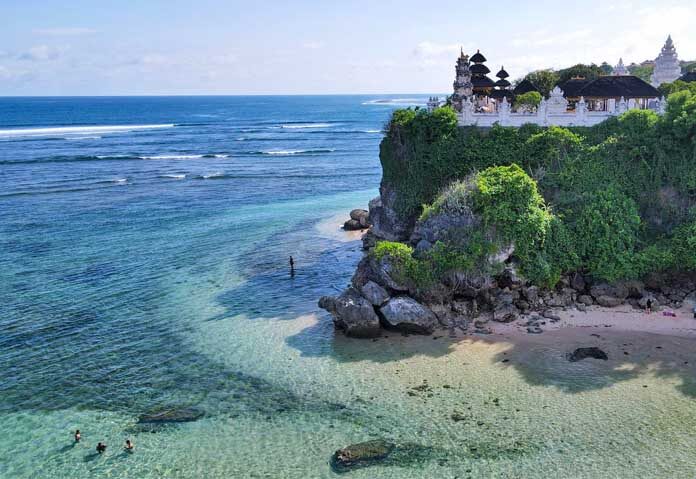
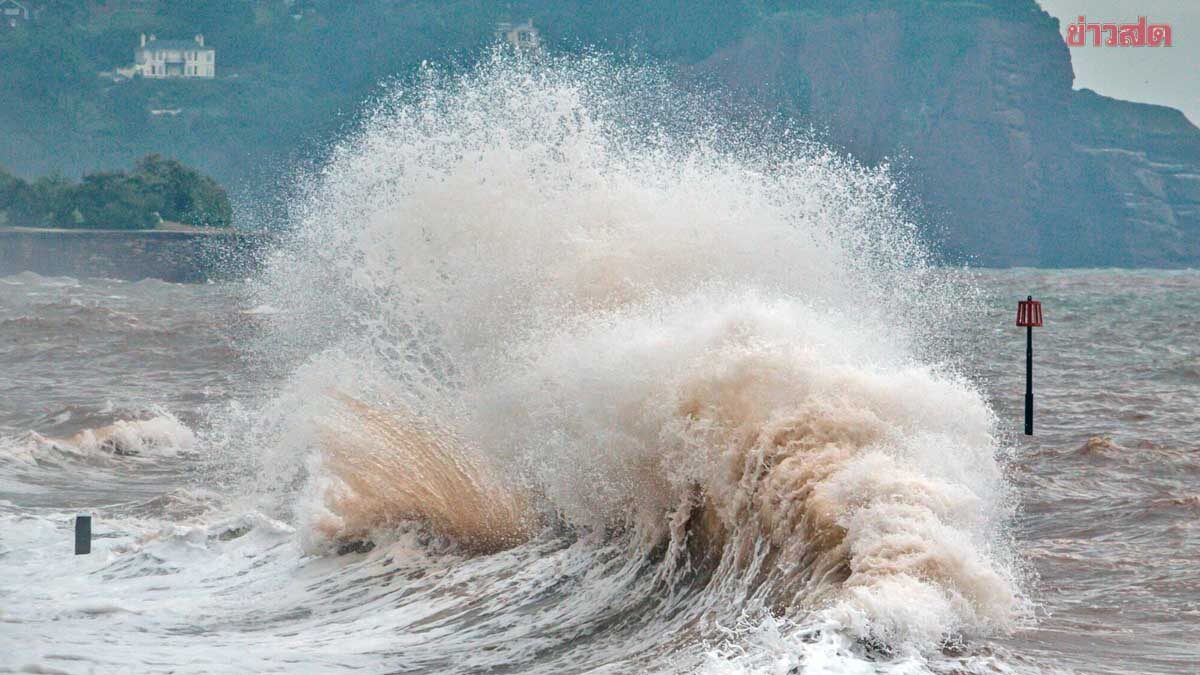
อินโดนีเซียศึกษาพบ – ภาพประกอบ – Indonesia’s National Research and Innovation Agency (BRIN) said research conducted along the southern coasts of Java and Bali has revealed strong indications that a massive tsunami occurred around 400 years ago. (Xinhua)
นายเอโก ยูเลียนโต นักวิจัยประจำสำนักงานวิจัย กล่าวว่าปัญหาคือไม่มีเอกสารทางประวัติศาสตร์ที่อธิบายว่าเกิดรอยแยกใหญ่ครั้งล่าสุดเมื่อไหร่ หากเคยเกิดแผ่นดินไหว “เมกะทรัสต์” (Megathrust) ก่อนมีการบันทึกประวัติศาสตร์เป็นลายลักษณ์อักษร ความทรงจำเกี่ยวกับเหตุการณ์นั้นอาจเลือนหายไปจากบันทึกทางประวัติศาสตร์แล้ว
ปัจจุบันคณะนักวิจัยได้ดำเนินการศึกษา “ร่องรอยสึนามิที่เกิดขึ้นก่อนมีบันทึกทางประวัติศาสตร์” (Paleotsunami) ครอบคลุมพื้นที่สำคัญ 12 แห่ง ตั้งแต่จังหวัดชวาตะวันตกจนถึงเกาะบาหลี

ภาพประกอบ – “The problem is that there are no historical documents to explain when the last giant rupture actually occurred,” Eko said. “If a megathrust earthquake happens before written history, the memory of it may have already faded from historical records.” So far, the research team has conducted paleotsunami investigations across 12 major sites spanning from West Java to Bali. /indonesia.travel/
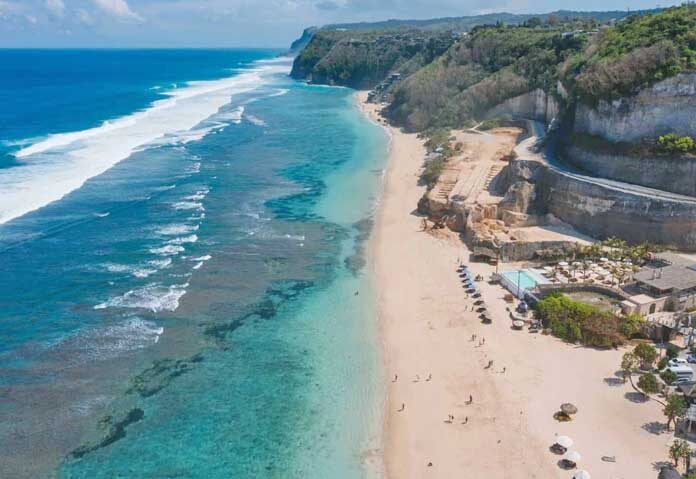
อินโดนีเซียศึกษาพบ – ภาพประกอบ – Indonesia’s National Research and Innovation Agency (BRIN) said research conducted along the southern coasts of Java and Bali has revealed strong indications that a massive tsunami occurred around 400 years ago. /balicopter/
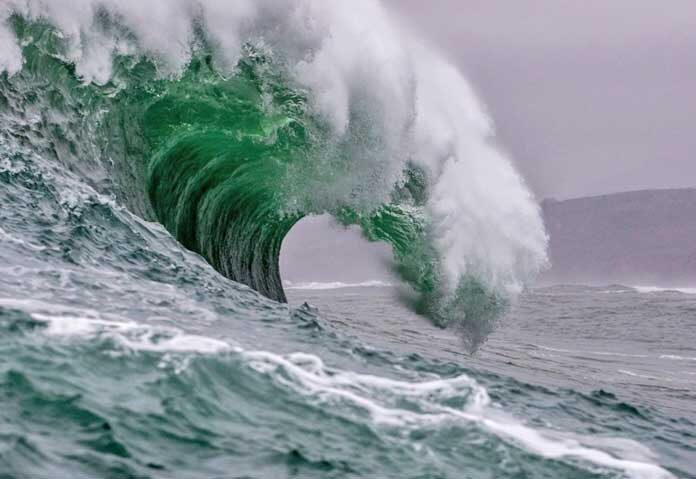
Traces of the catastrophic event can still be found today by examining tsunami sand layers, marine microfossils, archaeological structures, and ancient environmental evidence, BRIN researcher Eko Yulianto said at a workshop held on Monday. Photo credit: Photo by Todd Turner on Unsplash
ข่าวที่เกี่ยวข้อง: